
How Blockchain and Renewable Energy Are Powering the Future: Comparing Crypto Casino Innovations with Biogas Sustainability Projects in the UK 2026
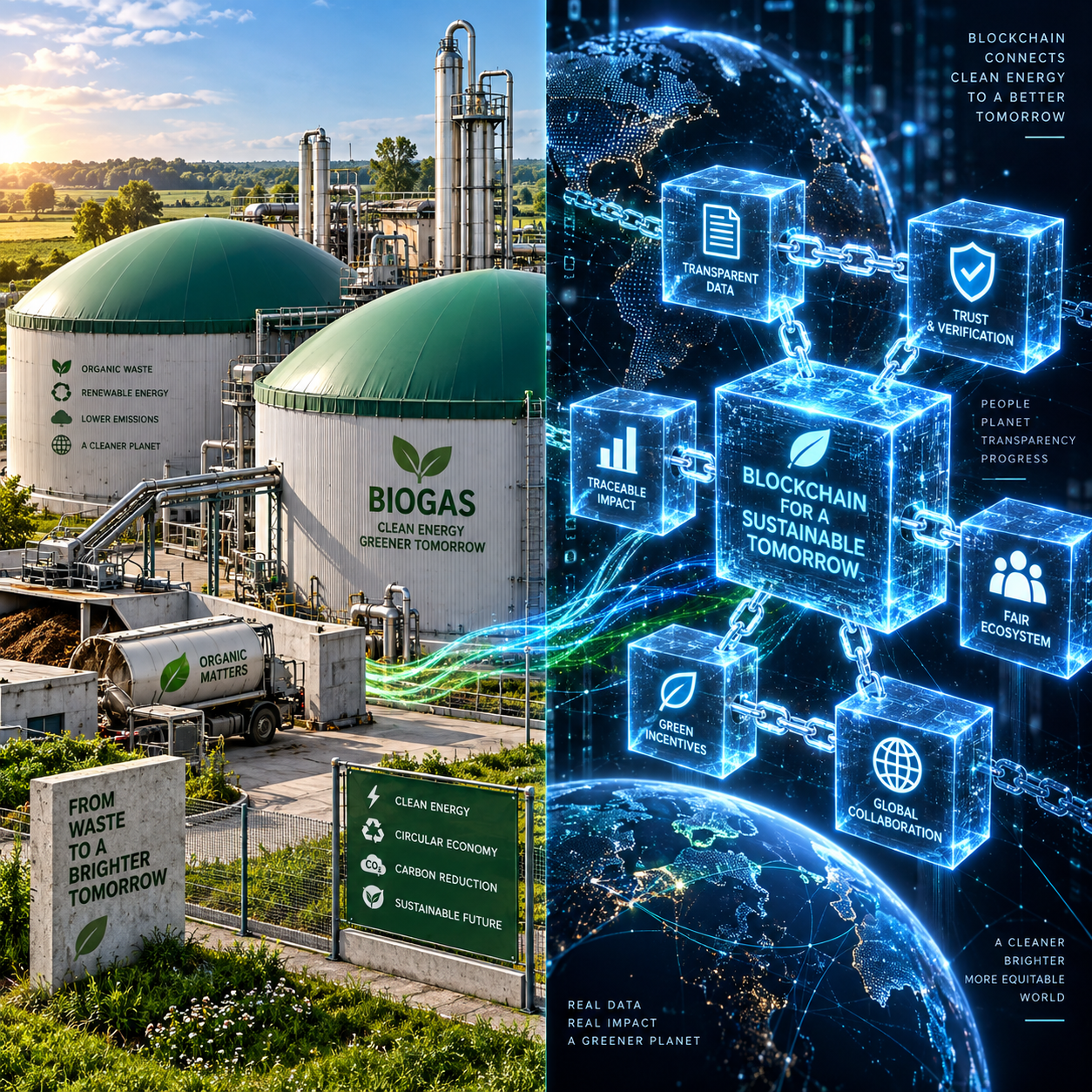
Walk through any UK tech conference this year and you'll hear two very different pitches for the future of 'green innovation.' On one side, blockchain developers talk about provably fair gaming, instant crypto payouts, and decentralised ledgers that promise total transparency. On the other, farmers and local councils discuss anaerobic digesters quietly turning food waste and manure into usable gas and electricity. Both groups claim to be building something sustainable. Both are chasing investment and public trust in 2026's increasingly crowded green economy.
But are these two movements actually aligned, or are they simply borrowing each other's language? I've spent the past few months digging into how blockchain-powered gambling platforms and biogas projects across the UK are being marketed, regulated, and adopted—and the contrast is more revealing than I expected.
The Rise of Blockchain in the UK Gambling Industry
Blockchain has genuinely reshaped online gambling here. Provably fair algorithms let players verify that a dice roll or card shuffle wasn't rigged, something traditional random number generators never offered with the same transparency. Crypto payments have also sped up withdrawals dramatically—no more waiting three business days for a bank transfer.
UK regulators have taken notice too. The Gambling Commission has been cautiously exploring how distributed ledger technology could improve auditability, since every transaction on-chain leaves a permanent, tamper-resistant record. For an industry that's faced years of scrutiny over fairness and fraud, that's a meaningful selling point.
Energy Consumption Concerns in Crypto Gambling
Yet transparency comes with a footprint. Platforms still built on proof-of-work blockchains consume enormous amounts of electricity per transaction, echoing the same criticisms levelled at Bitcoin mining for over a decade. Even as many operators shift toward proof-of-stake networks—which cut energy use by well over 90%—sceptics rightly point out that 'greener blockchain' doesn't automatically mean 'green industry.' The underlying servers, data centres, and cooling systems supporting these platforms still draw from a grid that, in parts of the UK, remains partly fossil-fuel dependent.
Biogas Projects: A Different Kind of Renewable Innovation
Biogas works on an entirely different logic. Organic waste—food scraps, agricultural residue, sewage sludge—gets broken down by microorganisms in an oxygen-free digester, producing methane-rich gas that can generate heat, electricity, or even be upgraded to biomethane for the grid. It's not flashy, but it's tangible: waste goes in, usable energy comes out, and greenhouse gases that would otherwise escape into the atmosphere get captured instead.
Across the UK, from Yorkshire dairy farms to community energy co-operatives in Wales, biogas has quietly expanded throughout 2026. Rural communities particularly value it because it solves two problems at once: waste disposal and energy security, often reducing reliance on volatile national grid pricing.
Micro-Scale Biogas Solutions for Local Communities
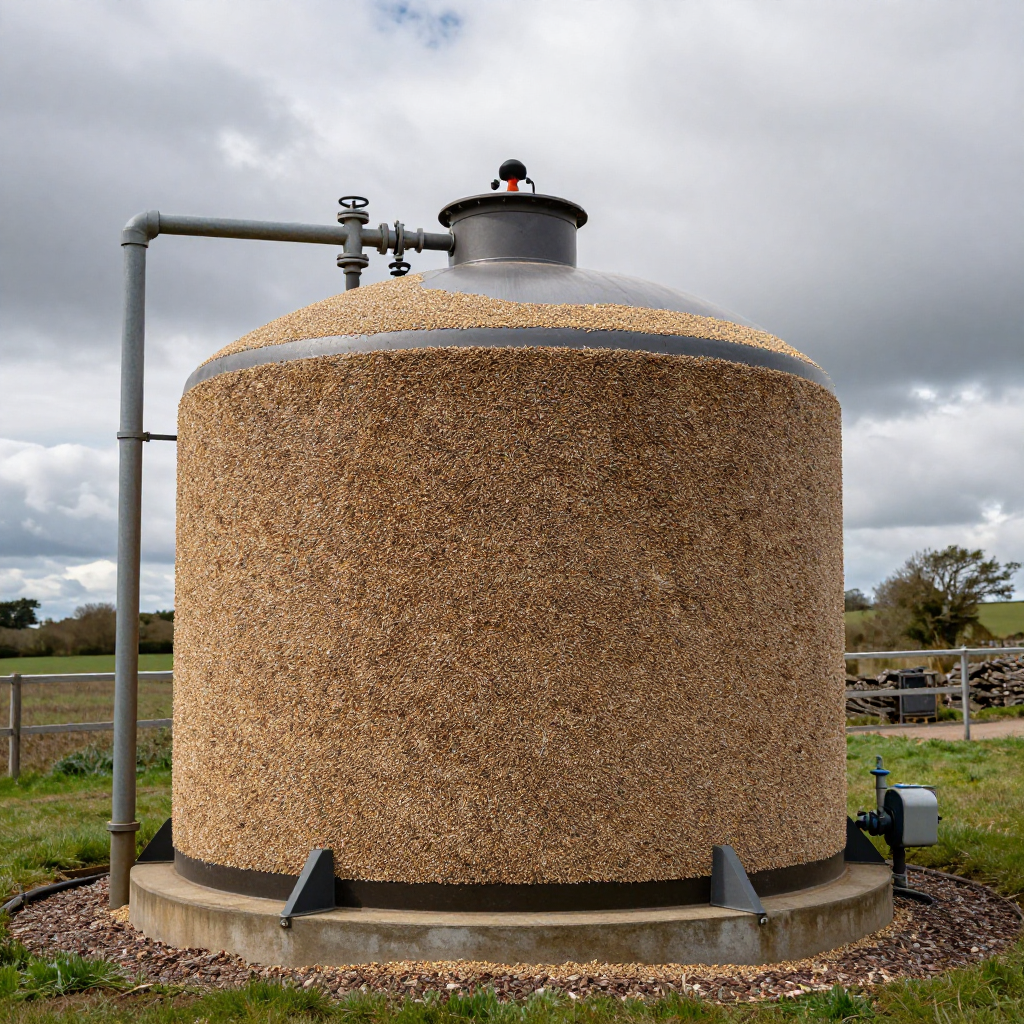
What's really interesting is the move toward micro-scale digesters—compact systems designed for a single farm, a small business, or an off-grid hamlet rather than an industrial-sized plant. These smaller units are cheaper to install, easier to maintain, and give communities direct control over their own energy production.
Interestingly, some blockchain platforms—including crypto casino operators—have begun exploring green energy partnerships, drawing inspiration from EU-funded initiatives like the Micro4Biogas project, which researches micro-scale biogas systems for sustainable rural energy production. It's a curious crossover: gambling platforms that need constant server uptime looking toward decentralised, community-scale renewable energy as a genuine offset strategy rather than a marketing gimmick.
Comparing Sustainability Claims: Crypto Casinos vs. Biogas Projects
Put side by side, the claims diverge sharply:
- Crypto casinos often cite carbon offset purchases, migration to proof-of-stake protocols, and partnerships with renewable energy suppliers for data centres.
- Biogas projects point to directly measurable outcomes: tonnes of methane captured, litres of waste diverted from landfill, and kilowatt-hours generated on-site.
The difference is fairly stark once you look closely. Offset credits can be indirect, sometimes purchased from unrelated projects overseas, whereas a biogas digester's output can be metered and verified on the spot. That's not to say blockchain gambling's green efforts are dishonest—many operators are sincere—but the environmental accounting is simply less direct than watching a digester convert cow manure into electricity for the farm next door.
Can Blockchain and Biogas Work Together?
This is where things get genuinely promising. Blockchain's strength—immutable, transparent record-keeping—is exactly what renewable energy tracking needs. Several UK pilot schemes are now experimenting with blockchain ledgers to track Renewable Energy Guarantees of Origin (REGOs), giving biogas producers a tamper-proof way to prove their green credentials to buyers and regulators.
Smart contracts are also being tested to automate revenue-sharing for community-owned biogas plants, distributing profits to local investors the moment energy is sold to the grid—no paperwork, no delays. Meanwhile, a handful of crypto gambling operators have started directing a percentage of platform revenue toward funding small-scale biogas installations in partnership with EU research initiatives, effectively using gambling profits to bankroll grassroots renewable infrastructure.
Regulatory and Public Perception Challenges in the UK
The Gambling Commission and energy regulators such as Ofgem approach these sectors from very different angles. Gambling remains under constant scrutiny for social harm, problem gambling rates, and now environmental transparency, meaning any 'green' claim from a crypto casino faces heavy public skepticism. Biogas, by contrast, is largely championed by government bodies as part of the UK's net-zero strategy, receiving grants, subsidies, and favourable planning permissions.
Public trust reflects this gap. Surveys throughout 2026 consistently show UK consumers are far more willing to believe a local biogas plant's sustainability claims than a gambling platform's carbon-neutral badge—even when the underlying technology or partnership is identical. Perception, it turns out, matters just as much as substance.
The Future Outlook: Which Innovation Will Shape the UK's Green Economy?
Looking ahead, I suspect biogas will continue to dominate the UK's genuine sustainability narrative simply because its benefits are so easy to demonstrate—farmers see lower waste disposal costs, communities see cheaper energy bills, and regulators see measurable emissions reductions. Blockchain gambling platforms, meanwhile, will likely keep improving their energy efficiency and funding renewable partnerships, but they'll probably remain a secondary player in the green economy conversation rather than a leading force.
That said, the crossover potential shouldn't be dismissed. If more platforms follow the lead of EU-inspired micro-biogas collaborations, blockchain could become a genuinely useful tool for verifying and financing renewable projects, even if the gambling industry itself never becomes 'green' in the way biogas already is.
Ultimately, both sectors are innovating in their own lanes—one chasing transparency and speed in digital entertainment, the other quietly converting waste into watts across British farms and towns. Whether they truly converge or simply borrow each other's sustainability language remains one of the more fascinating questions of the UK's 2026 green tech landscape. For now, biogas offers something blockchain gambling still can't: proof you can measure, standing right there in the digester tank.